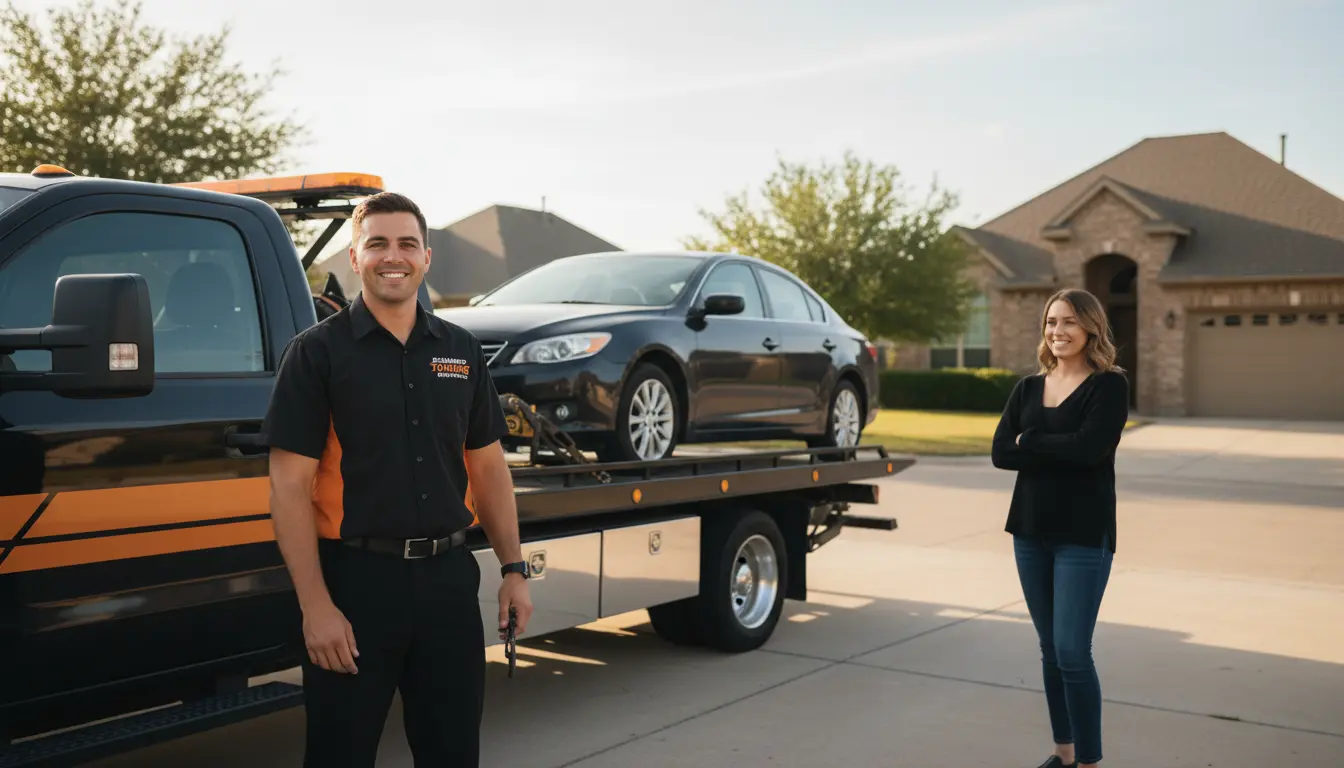
Imagine cruising down the bustling streets of Edinburg, your trailer in tow, only to face a sudden sway or equipment failure that turns a simple drive into a nightmare. Towing mishaps are all too common on Texas roads, where unpredictable weather and heavy traffic add to the risks. But with the right knowledge and precautions, you can steer clear of these disasters. At Edinburg Towing Service, we’ve helped countless drivers in the Rio Grande Valley stay safe on the road. In this guide, we’ll share top safety tips tailored for Texas driving conditions, including insights relevant to local spots like US-281 and Expressway 83. Whether you’re hauling boats or vehicles, these actionable steps will keep you secure.
Understanding the Risks of Towing in Texas
Texas roads present unique challenges for towing. From scorching summer heat that can strain engines to sudden dust storms in the Valley, conditions here demand extra vigilance. In Edinburg, where traffic merges from rural highways into urban congestion, a small oversight can lead to big problems.
Common Towing Hazards on TX Highways
High winds along I-69E can destabilize loads, while potholes on local roads like those in nearby Sharyland test your setup’s durability. According to Texas Department of Transportation data, towing-related accidents often stem from improper loading or faulty equipment. By addressing these early, you reduce the chance of breakdowns that might require emergency roadside towing.
Pre-Trip Preparation: Your First Line of Defense
Before hitting the road, thorough preparation is key. Skipping this step is like inviting trouble, especially in Edinburg’s variable climate.
Inspect Your Vehicle and Trailer
Start with a full vehicle check: brakes, tires, lights, and suspension. Ensure your tow hitch is rated for the load and securely attached. For trailers, verify the tongue weight—aim for 10-15% of the total trailer weight on the hitch. In the heat of a Texas summer, check fluid levels more frequently to prevent overheating.
If you’re towing a boat for a day on the nearby Rio Grande, consider our specialized boat towing service to handle the heavy lift safely.
Load Distribution and Securing Cargo
Balance is crucial. Place heavier items low and forward to avoid fishtailing. Use ratchet straps or chains to secure everything—no bungee cords for heavy loads. In Edinburg, where roads can get bumpy heading toward Donna, uneven loads amplify sway. Test your setup in a safe area before merging onto busier routes like those serving San Juan.
Essential Equipment for Safe Towing
Don’t skimp on gear. Quality equipment can mean the difference between a smooth trip and a call to professionals.
Must-Have Towing Accessories
Invest in a weight-distributing hitch for loads over 5,000 pounds, sway control bars, and extended side mirrors. Brake controllers are mandatory for trailers over 3,000 pounds in Texas. For electric brakes, ensure they’re synced with your vehicle’s system.
If your battery dies mid-tow—common in the Valley’s heat—our jump start service can get you back on track quickly without risking further damage.
Maintenance Tips for Longevity
Regularly service your towing setup. Lubricate moving parts and replace worn tires. In areas like Elsa, where dust is prevalent, clean connections to prevent corrosion. Schedule annual inspections to catch issues early.
Safe Driving Practices on Texas Roads
Even with perfect prep, driving habits matter. Texas speed limits and traffic flow require adjusted techniques.
Speed and Maneuvering Guidelines
Reduce speed by 10-20 mph when towing, especially on curves or ramps. Increase following distance to four seconds or more. On Edinburg’s Expressway 83, where semis dominate, signal early and avoid sudden lane changes. Wind gusts near Granjeno can push trailers, so grip the wheel firmly with both hands.
Handling Weather and Road Conditions
Texas weather is fickle—rain can make roads slick, and fog rolls in unexpectedly. Use low beams and slow down in adverse conditions. For flat tires or other issues during stormy drives, opt for flatbed towing service to protect your vehicle.
In winter, though rare in South Texas, watch for black ice on bridges. Locally, monsoon-season floods in Edinburg demand caution; if you’re transporting a vehicle long-distance, our auto transport service ensures safe handling.
What to Do in Case of a Towing Emergency
Emergencies happen. Knowing how to respond minimizes damage and keeps everyone safe.
Immediate Steps After an Incident
Pull over safely, turn on hazards, and exit the vehicle away from traffic. Assess damage without blocking lanes. For mechanical failures, don’t attempt roadside fixes if unqualified—call experts instead.
When to Call Professional Help
If your tow vehicle or trailer is immobilized, contact Edinburg Towing Service at (956) 394-2432. We serve areas like Sharyland and Donna with prompt response times, ensuring you’re not stranded long.
FAQ: Towing Safety Questions Answered
1. How often should I check my towing equipment?
Inspect before every long trip and monthly for regular use. Focus on brakes, lights, and connections to prevent failures on TX roads.
2. What’s the legal towing weight limit in Texas?
It varies by vehicle, but most light-duty trucks max at 10,000 pounds with proper setup. Always check your owner’s manual and TXDOT regs.
3. Can I tow in heavy rain on Edinburg roads?
Yes, but reduce speed and increase braking distance. Hydroplaning is a risk—ensure good tire tread. If stuck, call us for assistance.
4. Do I need special insurance for towing?
Standard auto policies often cover towing, but verify limits. For high-value loads, consider additional coverage.
5. How does Edinburg’s traffic affect towing?
Congestion on US-281 means more stops; plan routes to avoid peak hours. Our local knowledge helps navigate efficiently.
Conclusion: Tow Safely with Confidence
Towing on Texas roads doesn’t have to be daunting. By following these safety tips—from pre-trip checks to smart driving—you’ll avoid common disasters and enjoy smoother journeys. At Edinburg Towing Service, we’re committed to keeping the Rio Grande Valley moving safely. Whether you need routine advice or urgent help, we’re here for you. Don’t wait for trouble—call (956) 394-2432 today or explore our services to prepare for your next tow. Safe travels!